
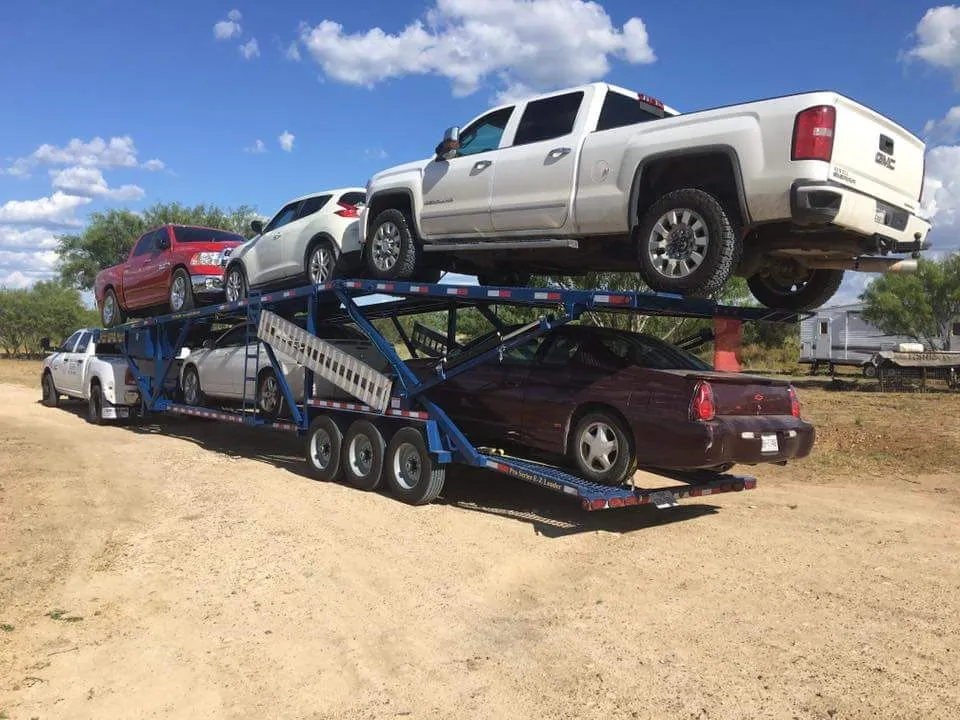
Preparing your vehicle before shipping can make pickup and delivery more organized. Whether you are moving from San Diego to another state, purchasing a car remotely, or arranging transportation for a family member, a little preparation can help reduce confusion and make it easier to document your vehicle’s condition.
Before your scheduled pickup, review the following steps and confirm any carrier-specific requirements with your transport provider.
1. Clean Your Vehicle
Wash the exterior of your vehicle when practical. A clean surface makes it easier to identify scratches, dents, paint chips, and other existing marks during inspection.
You do not need to make your car look brand-new. The goal is to make its current condition easier to assess.
Clean the windows and mirrors as well, so you can photograph the vehicle clearly.
2. Take Detailed Photographs
Photographs provide a useful record of the vehicle’s appearance before transportation.
Take pictures of:
– The front and rear of the vehicle
– Both sides
– Each corner
– Existing scratches, dents, and paint damage
– Wheels, bumpers, and other areas with visible wear
– The odometer, when appropriate
Use clear lighting and retain the original images with the date if possible. Review the carrier’s inspection report at pickup and make sure existing damage is accurately recorded.
3. Remove Personal Belongings
Remove luggage, electronics, valuables, loose accessories, and unnecessary items from the passenger compartment and trunk.
Personal belongings may not be covered by the carrier’s cargo insurance, and additional items can create weight, safety, or compliance issues. Rules regarding personal property differ by carrier and shipment.
Do not assume that the vehicle’s trunk can be used as extra shipping space. Confirm any permitted exceptions with the provider in advance.
4. Check for Leaks and Mechanical Issues
Inspect your vehicle for obvious fluid leaks or mechanical problems before pickup. Tell the transport provider if the car does not start, has damaged tires, has a dead battery, or cannot be driven safely onto the trailer.
Non-running vehicles may require special loading equipment and may incur additional charges.
If the vehicle has an alarm system, provide instructions for managing it safely. Follow the carrier’s directions for fuel level and vehicle preparation.
5. Check the Battery, Tires, and Brakes
For a running vehicle, ensure the battery is sufficiently charged, tires are properly inflated, and the brakes function as expected.
These checks can help the driver load and unload the vehicle more easily. If a mechanical issue prevents safe operation, disclose it before booking rather than waiting until pickup.
Specialty vehicles may require additional preparation, particularly when they have low ground clearance, modified suspension, or unusual dimensions.
6. Remove or Secure Loose Accessories
Remove removable roof racks, detachable antennas, toll tags, and other accessories where appropriate. Fold in mirrors if the vehicle design allows it.
Inform the carrier about modifications, oversized tires, aftermarket body kits, or other features that may affect loading clearance or vehicle dimensions.
Do not make modifications or disable safety systems unless specifically instructed by a qualified professional.
7. Prepare Your Keys and Documents
Have the required keys available and follow the transport provider’s instructions for vehicle handover.
Keep your booking confirmation, contact details, inspection documentation, and any required paperwork accessible. Ask the provider which documents are actually needed for your shipment.
Avoid leaving sensitive documents or unnecessary personal information inside the vehicle.
8. Confirm Pickup and Delivery Details
Before pickup day, confirm the agreed locations, contact numbers, estimated pickup window, and any access limitations.
Large transport trucks cannot always enter narrow streets, apartment complexes, parking garages, or restricted residential areas. If access is difficult, arrange a nearby safe and legal meeting point with the carrier.
Keep your phone available in case the driver needs directions or an updated arrival time.
9. Inspect the Vehicle at Pickup
Walk around the vehicle with the driver or carrier representative, where applicable. Review the inspection report and ensure visible damage is recorded.
Keep a copy of the report. Ask questions before signing if something appears incorrect.
10. Inspect Again at Delivery
When the vehicle arrives, compare its condition against your original photographs and pickup documentation. Check the exterior, wheels, bumpers, and other areas for visible changes.
If you identify possible new damage, document it promptly and notify the carrier according to the applicable claim procedures. Keep all related paperwork and correspondence.
Final Checklist
– [ ] Clean the exterior where practical.
– [ ] Photograph the vehicle from multiple angles.
– [ ] Remove personal belongings and valuables.
– [ ] Disclose mechanical issues and vehicle modifications.
– [ ] Confirm keys, documents, and pickup arrangements.
– [ ] Review the pickup inspection report.
– [ ] Inspect the vehicle and retain documentation at delivery.
Final Thoughts
A few preparation steps can make your auto transport experience easier to manage. Accurate vehicle information, clear photographs, and careful inspection help both you and the carrier understand the vehicle’s condition.
For assistance arranging open, enclosed, door-to-door, or state-to-state vehicle transportation, contact Wayshield Auto Transport at (619) 536-0424 or info@wayshieldautotransport.us.