
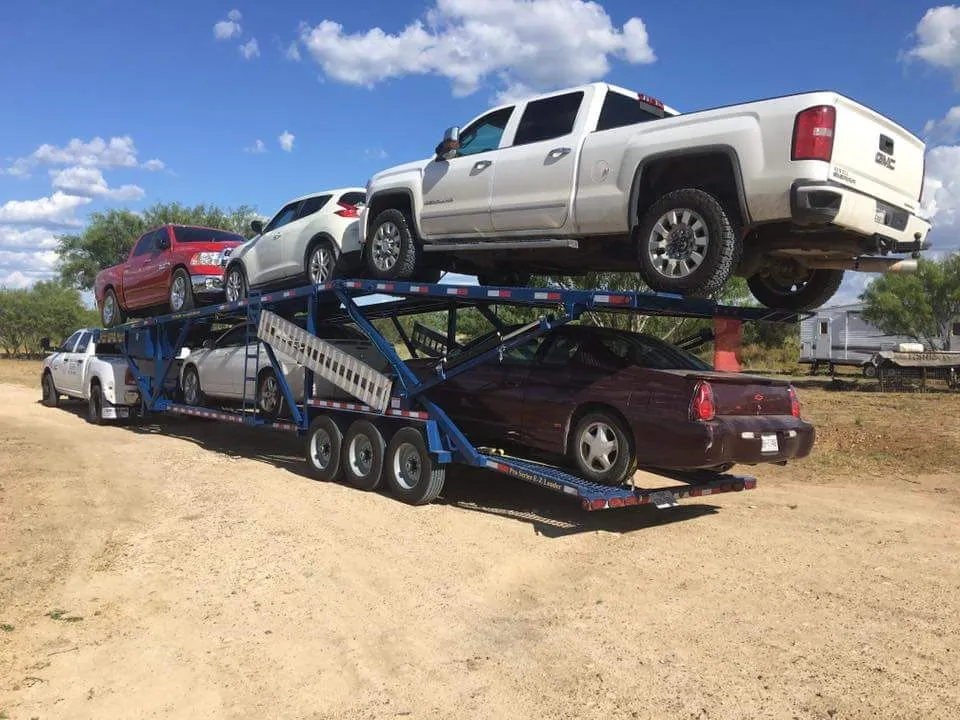
Shipping a vehicle can be a convenient solution when moving to another state, buying a car from a distant seller, relocating for work, or sending a vehicle to a family member. Instead of driving hundreds or thousands of miles, you can arrange professional auto transport to move your vehicle to its destination.
At Wayshield Auto Transport, customers can explore different transportation options based on their vehicle, budget, pickup location, and delivery requirements. Understanding the process before booking can help you make informed decisions and prepare for a smoother shipping experience.
Step 1: Choose the Right Auto Transport Service
The first step is choosing a shipping method that fits your needs.
Open car transport is a common option for everyday vehicles. Cars are transported on open trailers that can carry multiple vehicles during a trip. This option is often selected by customers looking for practical, cost-conscious transportation.
Enclosed car transport places vehicles inside a covered trailer. It can provide additional protection against weather and road debris, making it worth considering for classic cars, luxury vehicles, and collectible automobiles.
Door-to-door auto transport is designed to make pickup and delivery more convenient. Depending on road access, safety, and carrier restrictions, the driver arranges pickup and delivery at or near the requested addresses.
State-to-state auto transport helps customers move vehicles between states without making the entire journey themselves.
Before selecting a service, consider your vehicle’s value, desired protection level, budget, and schedule.
Step 2: Request a Shipping Quote
The next step is to request a quote. Accurate information helps a transport provider estimate the cost of moving your vehicle.
Be prepared to provide:
-
Pickup and delivery locations
-
Vehicle year, make, and model
-
Preferred shipping dates
-
Whether the vehicle runs and drives
-
Your preferred transport method
-
Any special vehicle dimensions or handling requirements
The final price can depend on distance, route demand, vehicle size, season, fuel costs, transport type, and pickup accessibility. A quote should clearly explain the services included and any potential additional charges.
Step 3: Schedule Pickup
After reviewing and accepting the quote, confirm your booking according to the provider’s procedures.
Ask about the estimated pickup window, communication arrangements, payment terms, cancellation rules, and whether a carrier has been assigned.
Before pickup, remove personal belongings, clean the exterior where practical, and photograph your vehicle from several angles. These photographs can help document its condition before transportation.
Keep your keys and relevant vehicle documents available, and follow the carrier’s instructions regarding fuel level, alarms, and vehicle preparation.
Step 4: Vehicle Inspection and Transportation
At pickup, the vehicle’s condition should be documented through an inspection report or bill of lading, as applicable. Review the report carefully and ensure that existing scratches, dents, and other visible damage are recorded.
During transportation, the driver follows the planned route, subject to traffic, weather, road restrictions, and operational requirements.
Delivery dates are generally estimates rather than guarantees unless specific terms have been agreed to in writing. Maintaining communication with your transport provider can help you understand any schedule changes.
Step 5: Inspect Your Vehicle at Delivery
When the vehicle arrives, inspect it in good lighting before completing the delivery process.
Compare its condition with the pickup documentation and photographs. If you notice new damage, document it clearly and notify the driver and relevant carrier representative promptly. Follow the applicable claim procedures and deadlines.
Keep copies of your booking confirmation, inspection reports, bill of lading, payment receipts, and any related correspondence.
How Much Does Car Shipping Cost?
There is no single price for every shipment. A short regional route may cost less overall than a cross-country shipment, but the cost per mile can vary. Larger vehicles, enclosed transportation, remote locations, and seasonal demand can also affect pricing.
The most useful way to compare quotes is to review the complete service, estimated timeline, carrier details, insurance arrangements, and payment terms—not just the lowest advertised price.
Final Thoughts
Car shipping can simplify vehicle relocation when you understand your options and prepare properly. Compare transport methods, provide accurate vehicle information, review the booking terms, and inspect your car at both ends of the journey.
Wayshield Auto Transport offers customers a starting point for exploring open, enclosed, door-to-door, and state-to-state auto transport options.
Ready to plan your shipment? Contact Wayshield Auto Transport at (619) 536-0424 or info@wayshieldautotransport.us to discuss your vehicle transportation needs.